12.8.25
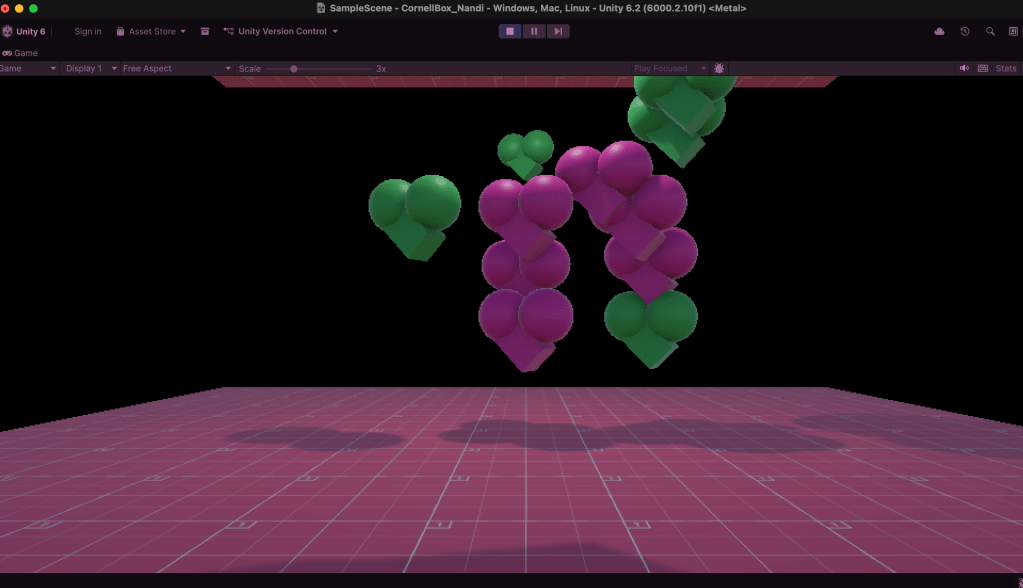
The Idea: For my final project, I focused on floating hearts as my central symbols. I first wanted to create a vending machine, but it was important to me that I did this project 100% myself and so the fact that I was able to create moving hearts with shapes in unity + get them to move once clicked felt very successful to me. The hearts move gently through the game, and when you click each heart it grows resembling it beating. The box became a small universe where light, texture, and motion work together to create a dreamy environment. In the future, I would’ve maybe curated a different background outside of black. The technical process was as important as the concept. I learned how to script interactions, build materials, adjust lighting, and add atmospheric elements like a skybox and ambient sound. Unity forced me to slow down and problem-solve. Ultimately, the project became less about building a perfect scene and more about building a feeling. It reflects how I’ve been navigating this semester: learning as I go, reshaping things that didn’t work, and allowing space for softness even in the midst of confusion.
The Process:
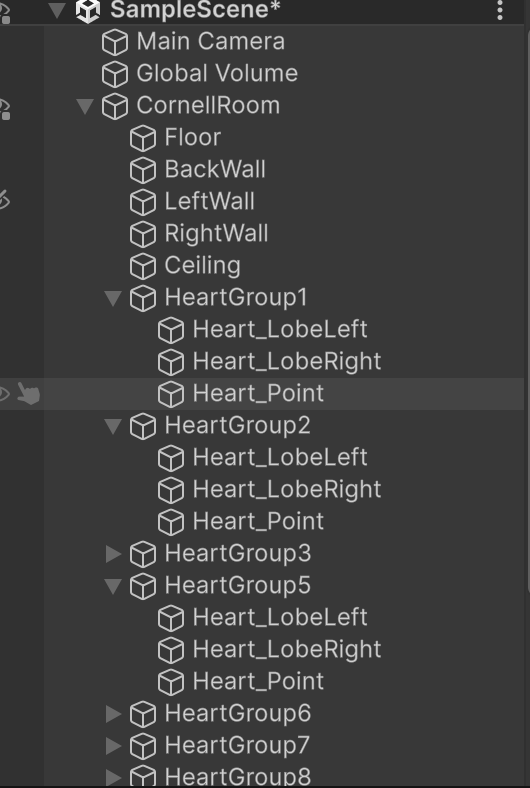
I first started with spheres and once I understood how to work with spheres, I shifted toward hearts. I first however added all scripts etc to the hierarchy with the spheres first. Swapping them in instantly changed the emotional tone of the box. I curated each heart adjusting its color, placement, and movement. I added shades of pink and green to create contrast and pay homage to the sorority I am in – Alpha Kappa Alpha Incorporated Inc. Adding the grid texture to the back wall grounded the scene and created a structured backdrop that made the hearts stand out even more. The final step was clicking the hearts and getting them to fluctuate in size. After putting in the code Sam helped me to finalize the project allowing the hearts to grow in size and then go back to normal.
Final Project: http://localhost:49925/
11.10.25
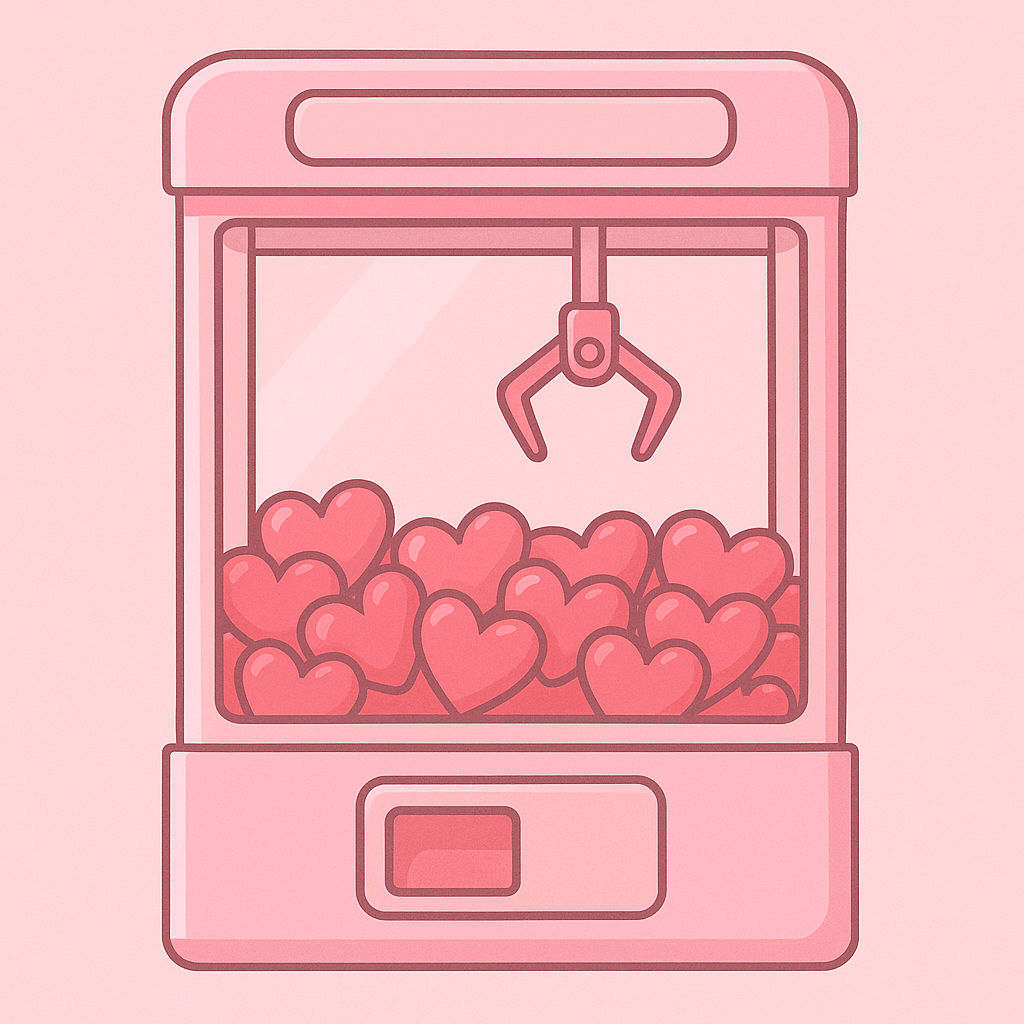
For my final project, I want to create a Cornell box–style claw machine filled with hearts. When you grab a heart, a positive affirmation will appear on the screen.
11.3.25
What is interactivity to you?
To me, interactivity is presence, it’s what happens when the audience steps inside the art instead of standing outside it. It’s like being handed the keys and told, go ahead, figure it out for yourself. I love when art trusts me enough to explore. Interactivity isn’t just about movement or control, it’s about curiosity. It’s the feeling of being in conversation with a story instead of just watching it happen.
Does it add or detract from artmaking/storytelling or when doesn’t and when does it?
Interactivity adds when it deepens emotion. For me, it works best when it’s invisible when you don’t even realize you’re participating because you’re so caught up in what’s unfolding. It detracts when it starts to feel like a task instead of a conversation.
How did the interactivity in Gone Home contribute to or change the effect of the story?
Gone Home uses interactivity like memory it’s quiet and slow. You’re piecing together a family’s story through what’s been left behind, and that makes you pay attention in a different way. The silence, the rain, the stillness they all work together to make you notice things you might otherwise overlook.
Instead of telling you the story outright, Gone Home invites you to earn it to walk through the uncertainty, to make sense of the absence, and to care about people you’ve never actually met. That’s the beauty of interactivity here, it makes you the storyteller.
10.27.25
Concept
Permission to Move is a short film centered on pole dancer and writer Akili King, capturing the expressiveness, strength, and emotional release found in pole as an art form. The project repositions pole dancing beyond the typical stereotypes, focusing instead on movement as a form of storytelling and self-ownership. Through cinematic visuals and layered sound, the film celebrates the freedom that comes with embracing one’s body and reclaiming narrative through motion.
Creation Process
The project was a collaboration between myself and my partner Ian. I led the conceptual development and gathered and clipped all the footage, while Ian focused on the editing and visual flow of the piece. Together, we balanced my vision for emotional storytelling with his technical eye for pacing and structure.
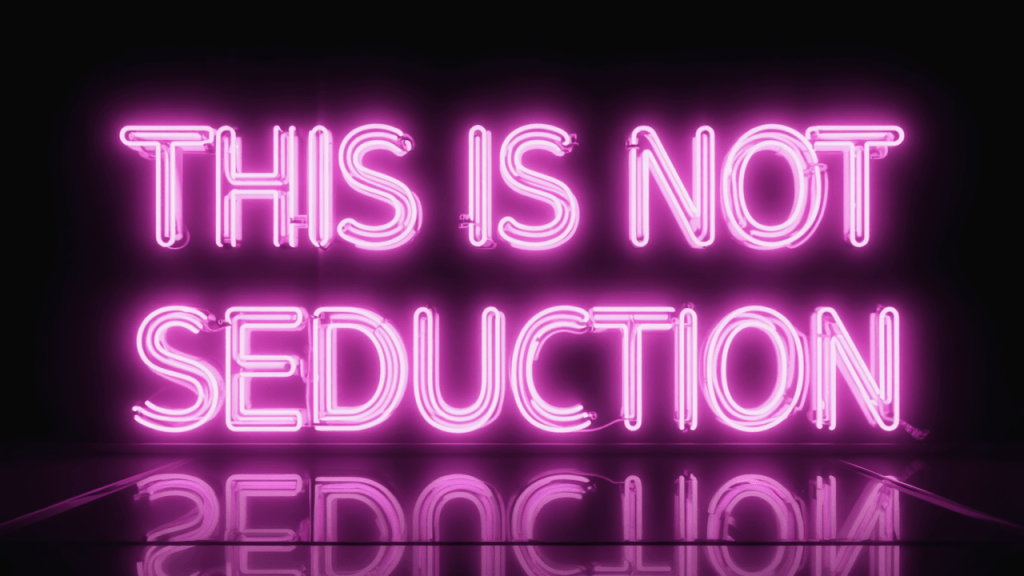
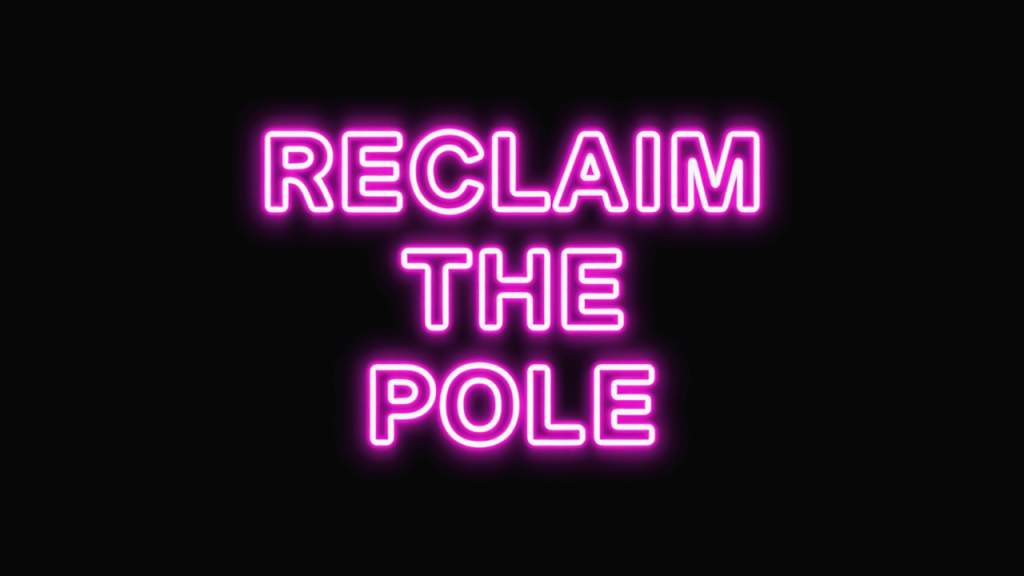
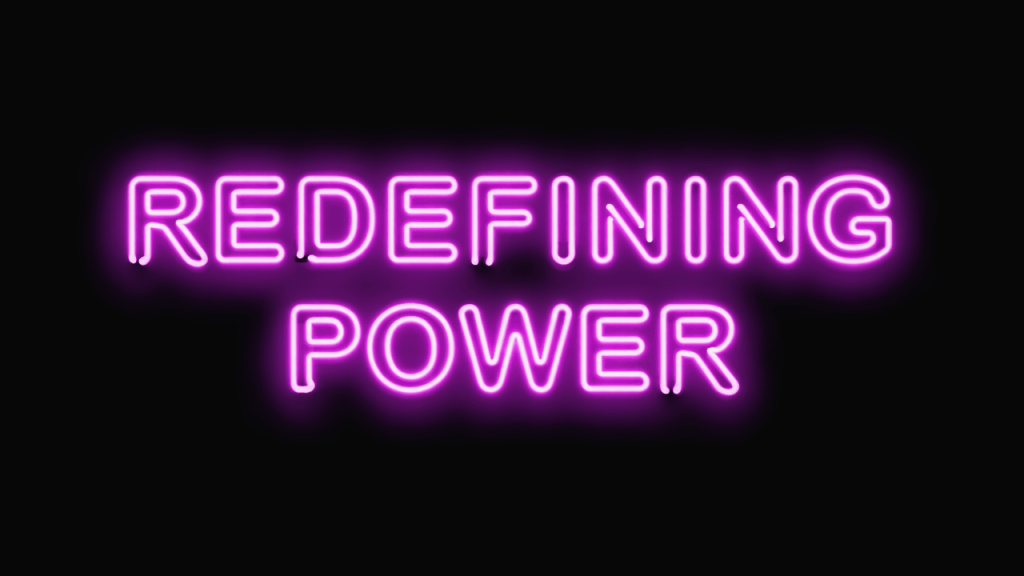
We also explored incorporating AI tools, primarily through Runway ML, to experiment with how artificial intelligence could enhance the story. However, due to the subject matter—pole dancing—many AI platforms flagged or restricted our content. As a result, we used AI primarily for creating the title cards and subtle motion effects rather than full scene generation.
Successes
The collaboration itself was the most successful part of the project. Working with Ian was seamless, and we shared a strong creative rhythm that made the editing process enjoyable. I also loved the final outcome, which feels emotionally honest and visually cohesive. The visuals, pacing, and Akili’s expressive movement aligned beautifully with the overall tone we wanted to achieve.
Challenges
The most difficult aspect was integrating AI effectively. I spent hours experimenting—often 10–15 takes per render—to get results that aligned with the project’s aesthetic. Many AI tools also flagged the pole dancing footage as inappropriate content, which made it difficult to test creative ideas. In the end, I realized I may have overinvested time trying to make AI fit, instead of letting the footage speak for itself.
Reflection
If I were to approach this project again, I would focus less on forcing AI integration and more on using it intentionally, perhaps to enhance the visual language rather than generate new imagery. I’d also consider recording additional voiceover or behind-the-scenes sound to give more texture to the story. Overall, this project reminded me that technology should serve the narrative—not the other way around.
Below are quote cards made with Runway ML
10.13.25
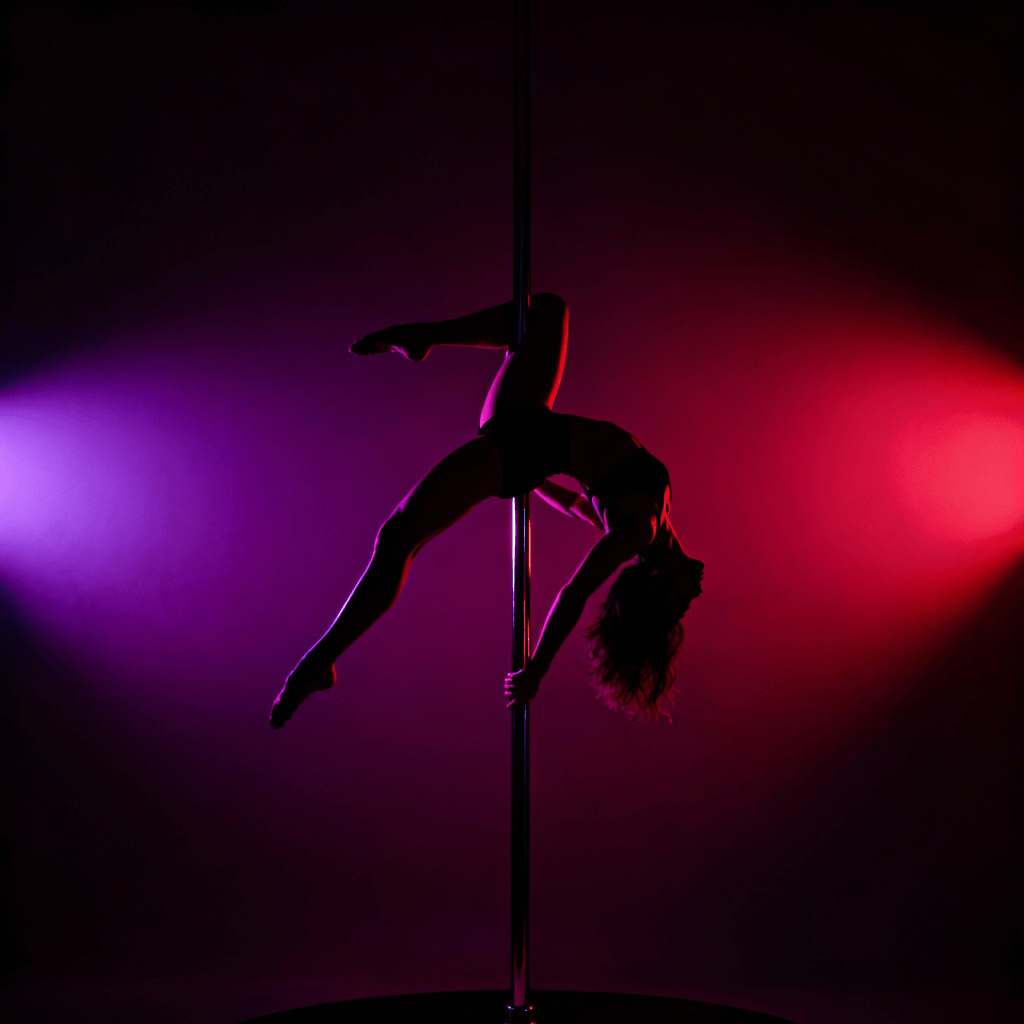
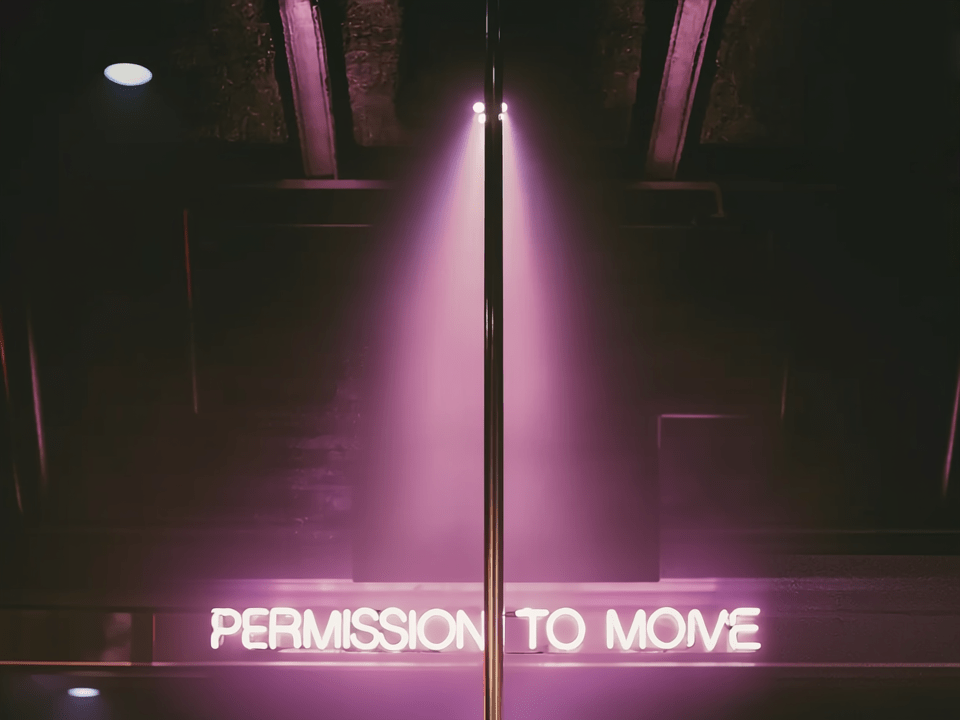
For our experimental short we are deciding between two concepts.
Please see the still above and the two concepts below…
This short film draws inspiration from Zola — a comedy-crime story rooted in the chaos of real life turned into internet mythology. The project explores how ordinary experiences — particularly those of women in performance and sex work — are reshaped by storytelling, technology, and
audience perception.
Concept 1: “The Reality of Dancing”
Concept: The short follows an exotic dancer sharing her story. As she speaks, AI-generated visuals dramatize her words, turning ordinary moments into exaggerated, cinematic scenes. The use of AI highlights how easily reality can be distorted or romanticized when filtered through technology.
Tone: Gritty, honest, and surreal — balancing realism with heightened, dreamlike exaggeration.
Concept 2: “The Self-Expression of Dance”
Concept: Centers on a pole dancer who uses movement as self-expression and liberation rather than profession. Her dance becomes a dialogue between body and technology, where AI-generated imagery visualizes her inner world — confidence, vulnerability, and transformation.
Tone: Intimate, artistic, and reflective — balancing sensuality with emotional depth.
Rough storyboard here.
10.6.25

This speculative concept examines how artists use the human figure as a vessel for ideas, values, and imagined realities. The text highlights how our ability to read facial expressions, gestures, and posture allows characters to communicate deeper meanings, turning viewers into voyeurs who glimpse alternative worlds and compare them to their own. Artists like Miwa Yanagai, Mariko Mori, Cindy Sherman, and Juha Arvid Helinen use this approach to question identity, conformity, and visibility through transformed or exaggerated human forms.
I connected to this idea because it feels especially relevant today, when physical and digital self-alteration has become part of everyday life. Between filters, cosmetic procedures, and body modification, we are already living in a speculative moment where appearance and identity are fluid. This project’s use of characters to express shifting worldviews mirrors how our generation reimagines the human face and body blurring the line between authenticity and performance.
Stop Motion Project:
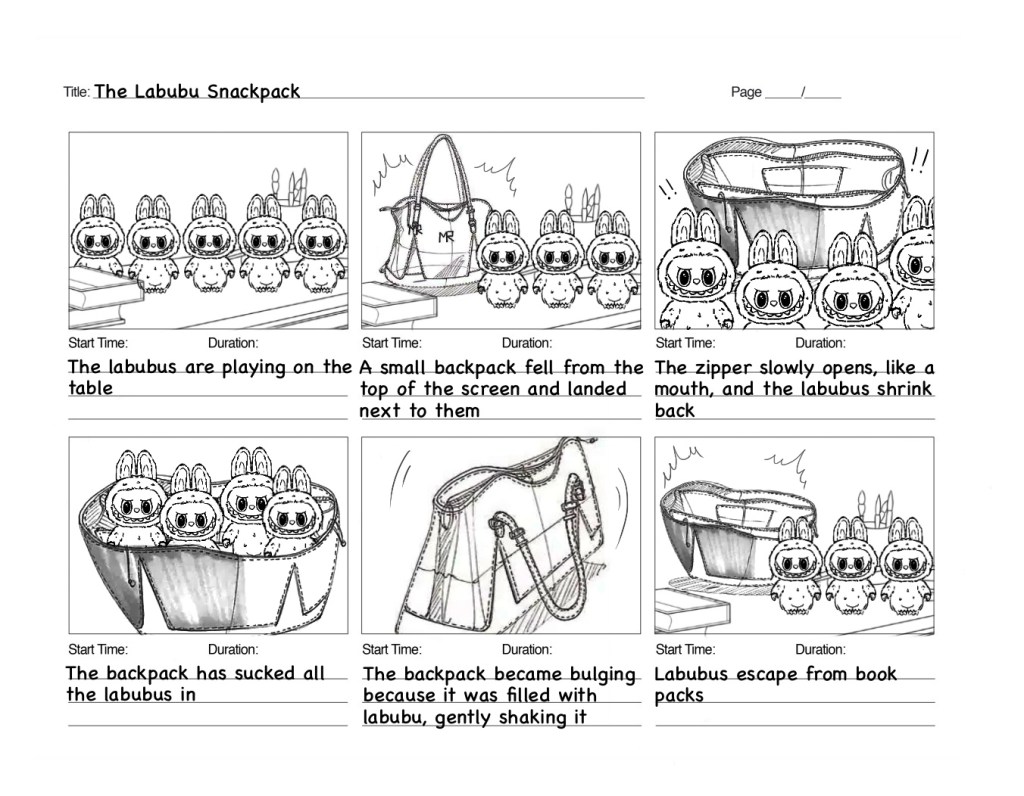
For our project, my group decided to create a playful stop-motion film using Labubu’s. The idea came together in a fun and spontaneous way during our brainstorming session. I mentioned that I had a Labubu keychain on my backpack, and Skylar, said he also had one. That small moment of connection instantly gave us a creative starting point. We decided to bring the Labubu’s to the next class and use as the subject, while our third teammate, Zhaoquan, worked on developing the storyboard to guide our shots.
Next class, Zhaoquan arrived with colored sheets of paper board, which we taped together to create a textured backdrop for our animation. From there, we began filming, carefully moving the Labubus frame by frame, adjusting their poses and positioning with small movements. The process reminded us how much patience and collaboration stop-motion requires.
Everyone contributed in different ways, what started as a simple idea from something hanging on my backpack turned into a fun and imaginative project that reflected our teamwork, playfulness, and curiosity as creators.
9.22.25
For this assignment, we each shared sounds that captured how we felt in the morning. The edit became a layering of moods, organized through texture, rhythm, and tonal contrast.
Richard’s track introduced a sense of lightness, with airy tones and intentional pauses that created space in the mix. James contributed close, domestic textures such as clinks, hums, and background noises that sharpened the detail and grounded the soundscape in the everyday. My focus was on patterns and repetition, working with loops of drips, ticks, and knocks. These cycles fell in and out of sync, forming a steady pulse that acted as an anchor against the more fluid elements.
Once the individual sounds were recorded, we treated Richard’s ambient recording from Portugal as the foundation. That track functioned as the bed of the composition, establishing both tone and atmosphere. On top of that base, the additional layers were arranged, shifted, and repeated until they interacted dynamically, sometimes blending smoothly and other times clashing in productive tension.
Rather than functioning as isolated clips, the sounds built a structure where contrast and rhythm determined the flow. In this way, the edit operates less as a collage and more as a constructed sonic environment, where tone, repetition, and spatial depth create meaning.
9.15.25
Notes | Pauline Olivero Ted Talk
- Deep Listening requires one to listen in a different way… “unspoken and experienced,” Olivero explains.
- The practice of deep listening explores the difference between hearing and listening. The ear hears, the brain listens, and the body senses vibrations.
- Listening is a lifetime practice on accumulated experiences with sound + a mysterious process that is not the same for everyone. Scientists can measure what happens in the ear, but measuring listening is another matter as it involves subjectivity. To hear is a physical means to listen is to give attention of what is perceived.
- Hearing turns a certain range of vibrations intro perceptual sounds, when listening there is a constant interplay with the perception of the moment compared with remembered experienced.
What is Deep Listening?
Deep: Complexity
- Learning to expand the perception of sound to include the whole space, time, and continuum of sound. Encountering the vastness and complexities as possible. A deep thinker defies stereotypical knowing and it may take a long time or never to understand.
- The level of soundscape can help shape the chaotic sound of technology. Olivero says that the quality of life can be elevated when one cares about sound.
Notes | Interview with Sound Designer Haley Shaw
Intended Feeling
- Sound design bridges the understanding and enhances the impact of a story
- The intended feeling should emerge from the story
Macro to Micro
- Looking at a project in its entirety and asking topical questions that provide the best result
- What is the identity of this project and how should one feel when listening?
- Important to collaborate with whoever the project is intended for
Specify the Macro Concept | Create Rules
- What is needed to make this project + how is this project defined
- Definition goes into more granular rules pertaining to scoring, narratives, and musical moments
World Building
- Sound design should guide listeners through the narrative
Haleys Techniques
- Stacking Sounds, example: bottle breaking
- A bunch of effects, example: adding delays + reverbs
- Moving around the stereo field
- Signposting
Realistic Sound Design
- Background
- Middle Distance, example: dogs barking
- Close or Scene-Specific
- Energy, example: slowly ramp up music
 Nandi Howard ITP 27'